

Selecting an experienced car accident attorney who prioritizes direct communication and personalized attention can determine whether you receive fair compensation or settle for less.
Insurance companies deploy teams of adjusters and lawyers trained to minimize payouts, making it vital to work with Atlanta car accident attorneys who treat you as an individual.
With 55% of all Georgia motor vehicle crashes involving at least one distracted driver in 2023, Atlanta car crash victims need an advocate who will fight for their rights.
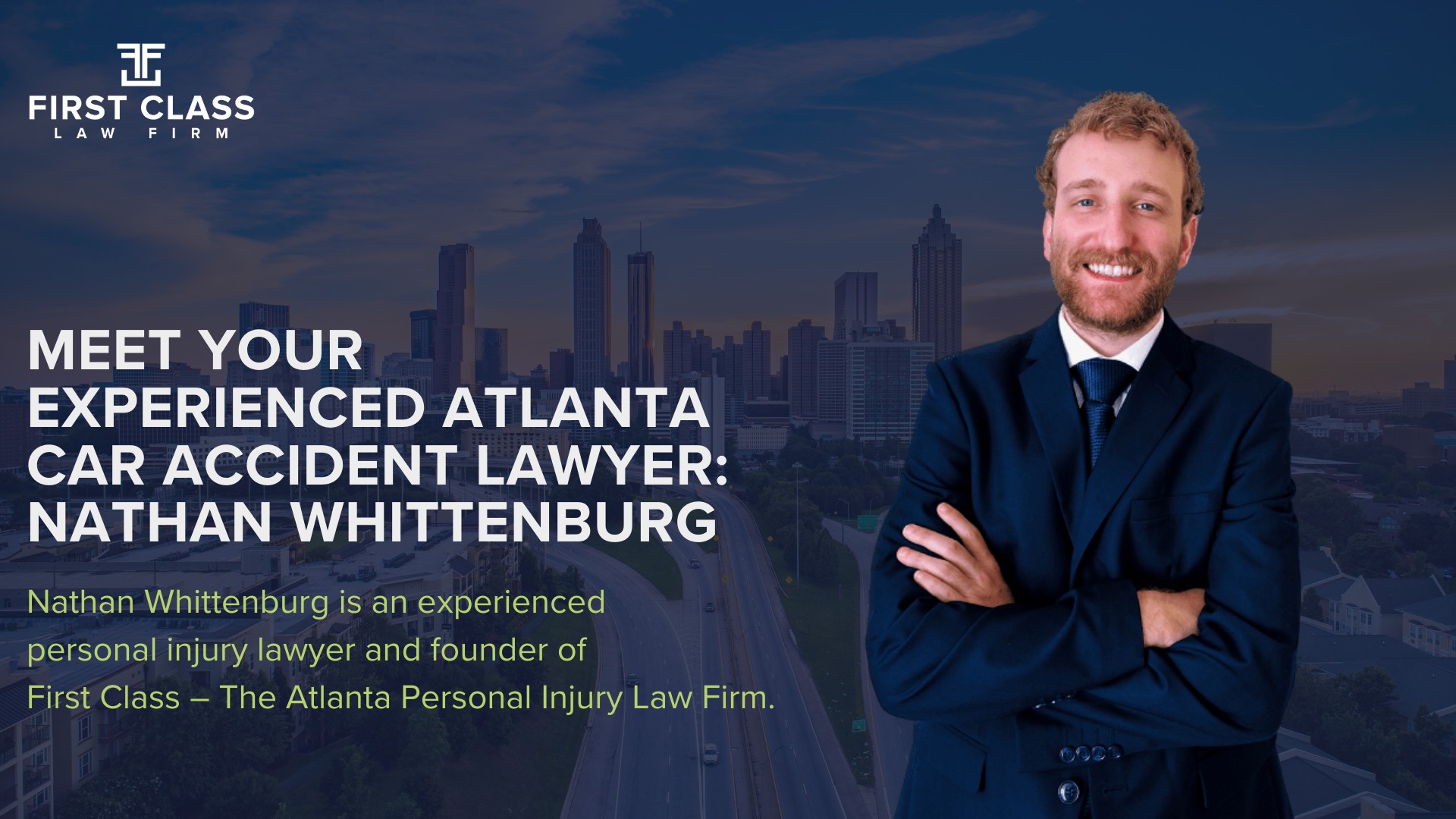
Nathan Whittenburg built First Class — The Atlanta Personal Injury Law Firm on client-centered representation for personal injury cases, rejecting the high-volume model prevalent in the industry.
His virtual-first practice eliminates travel burdens while recovering from injuries.
The First Class difference is built on:
This approach recognizes that auto accident cases involve unique circumstances requiring tailored legal strategies.
The 2024 Georgia Distracted Driving Observational Survey found 14.7% of all drivers had some form of distraction, whether talking, texting, dialing, or eating while behind the wheel.
When negligent drivers cause your injuries, you deserve auto accident attorneys who give your case the individualized attention it requires rather than treating you as another file in an overwhelming caseload.
Verified credentials and professional standing provide the foundation for effective legal representation, demonstrating both the qualifications to practice law and the commitment to maintaining the highest ethical standards in the profession.
Nathan Whittenburg’s professional background encompasses:
These professional memberships demonstrate ongoing commitment to legal excellence through continuing education requirements, networking with fellow advocates, and staying current on evolving case law and litigation strategies.
The State Bar of Georgia Member Directory allows verification of attorney credentials and bar standing to ensure proper licensure and ethical compliance.
For accident victims seeking personalized legal representation from Atlanta personal injury lawyers who prioritize direct communication, Nathan Whittenburg offers the experience, credentials, and client-centered approach needed to pursue fair compensation.
Taking specific actions immediately following a car accident protects both your physical wellbeing and your legal rights when pursuing compensation.
Motor vehicle crashes remain a leading cause of death in the United States, killing more than 120 people every day, with distracted driving claiming 3,275 lives in 2023 alone.
This guidance helps readers dealing with the aftermath of a collision take the right steps to support their recovery and claim.
The moments immediately following a car accident determine the quality of evidence available for your claim and whether you protect yourself from further harm.
Safety and immediate medical attention come first, followed by documentation to prove fault and damages.
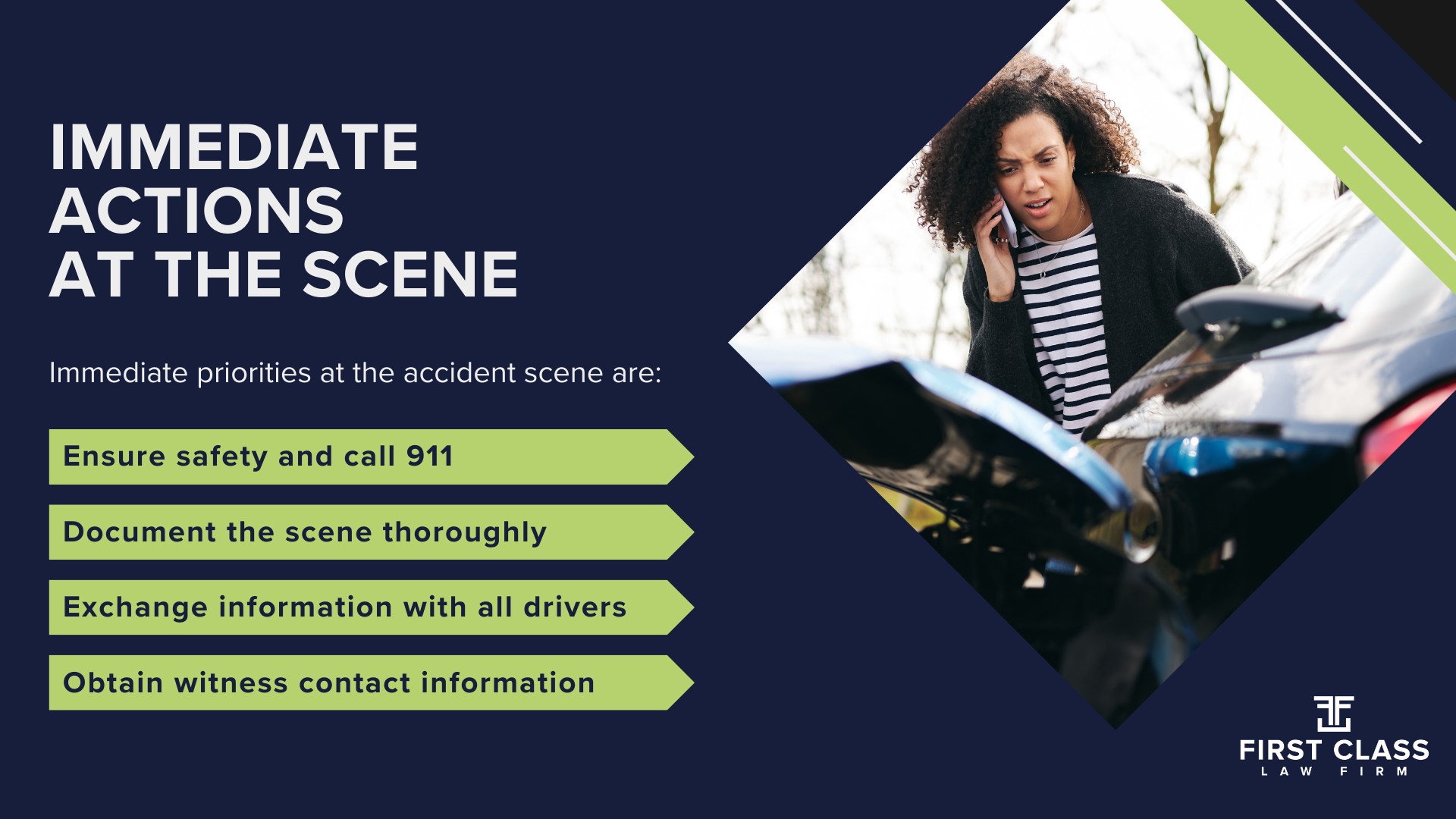
Immediate priorities at the accident scene are:
Georgia’s Department of Driver Services provides guidance on proper accident response procedures, emphasizing the importance of remaining calm, stopping safely, activating hazard lights, and documenting the scene.
The documentation you gather in these first minutes becomes the foundation for your insurance claim, proving liability when adjusters question who caused the accident or attempt to minimize the collision severity and your injuries.
The actions you take in the hours and days following a car accident—starting with the decision to seek medical attention immediately—can strengthen or weaken your claim.
Prompt medical evaluation creates documentation linking your injuries—such as back and neck injuries, fractures, or soft tissue damage—to the accident, while timely legal consultation protects you from insurance company tactics.
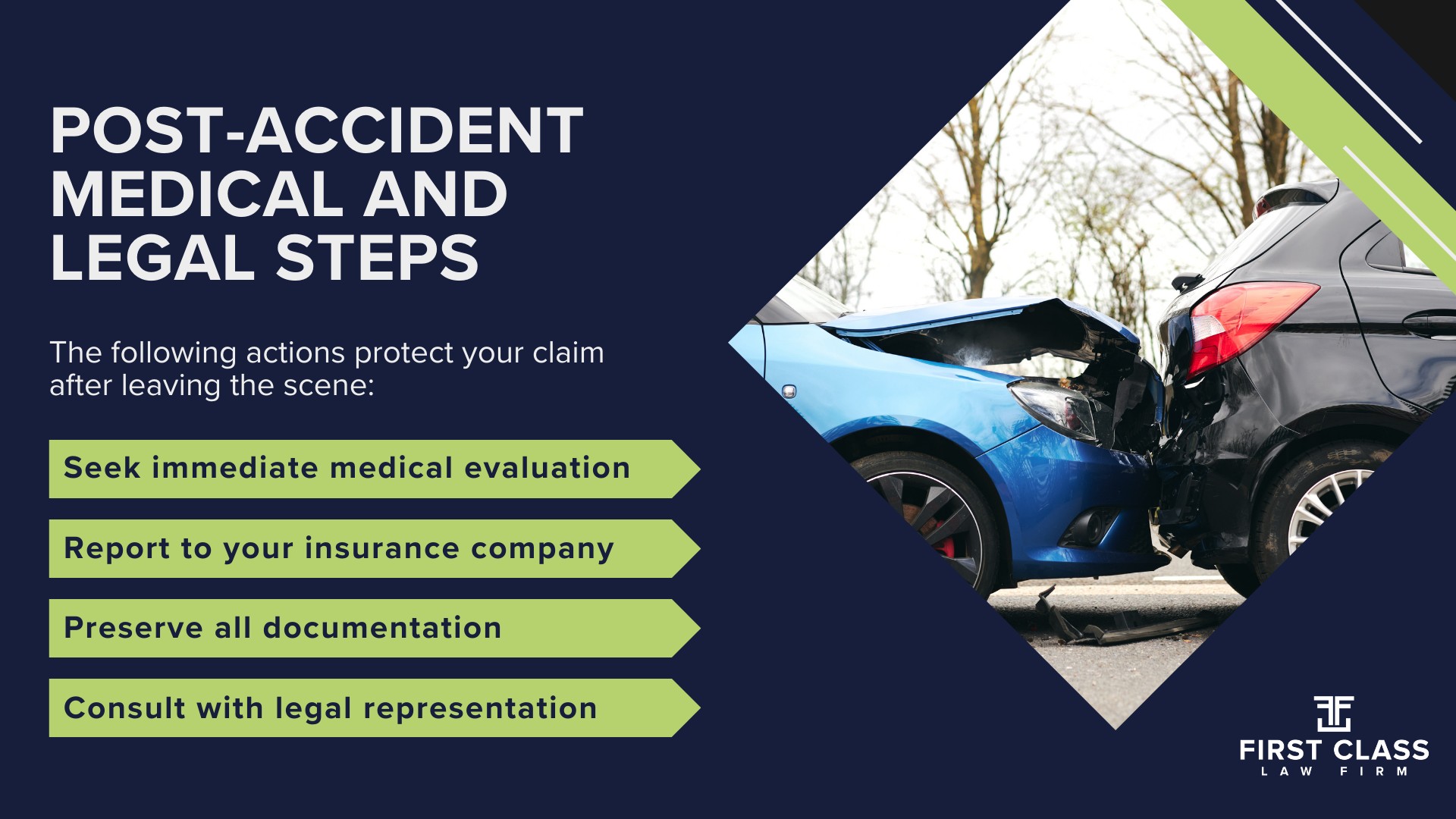
The following actions protect your claim after leaving the scene:
Under Georgia Code § 9-3-33, personal injury claims must be brought within two years after the right of action accrues.
This statute of limitations creates a limited window to file a lawsuit if settlement negotiations fail, making timely legal consultation vital.
If you’ve been injured in a car accident in Atlanta, contact First Class using the chat on this page to receive an instant case evaluation and learn how Nathan Whittenburg can guide you with personalized attention.
Car accident claims follow a structured process that begins with investigation and typically concludes through settlement negotiations or, when necessary, litigation.
Having experienced legal representation ensures each step is handled properly to build the strongest possible case for compensation.
The process differs depending on whether the case resolves through settlement with insurance companies or proceeds to trial in Georgia’s civil courts.
Thorough investigation forms the foundation of a strong car accident claim, establishing who caused the collision and documenting the full extent of car accident injuries and damages.
The quality of evidence gathered during this phase directly impacts the value insurance companies assign to your claim.
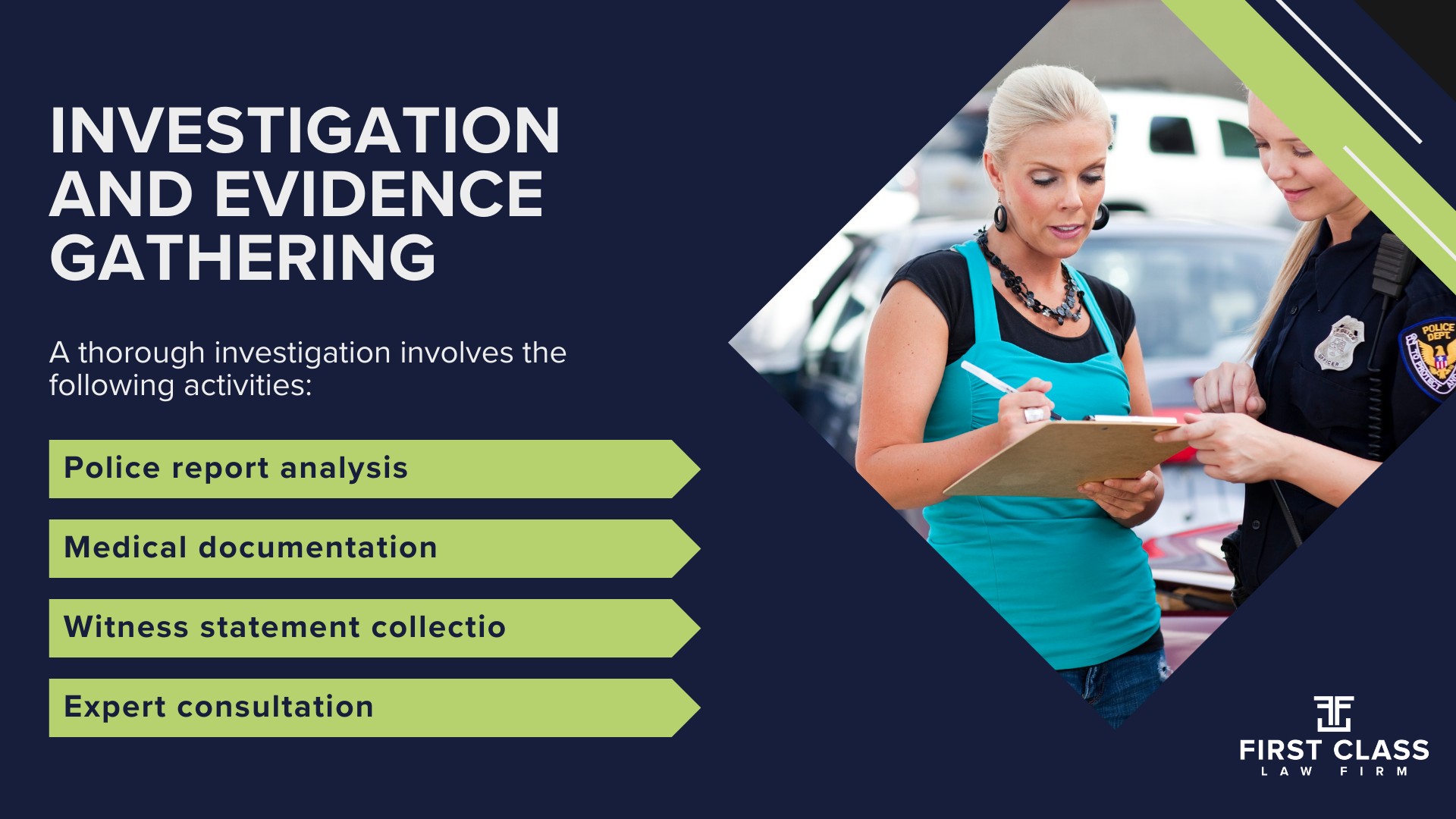
A thorough investigation involves the following activities:
Strong evidence gathering strengthens your negotiating position with insurance adjusters who represent the at-fault driver.
When confronted with comprehensive documentation of liability and damages, insurers face greater risk if they refuse reasonable settlement offers and the case proceeds to trial where juries evaluate the evidence.
Most car accident claims resolve through settlement negotiations rather than courtroom trials, but the possibility of litigation creates leverage that encourages insurance companies to offer a fair settlement.
The path from demand to resolution follows these phases:
Whether a case resolves through settlement or proceeds to trial depends on factors including the strength of liability evidence, severity of injuries, insurance policy limits, and the insurer’s willingness to negotiate in good faith.
Nathan Whittenburg provides hands-on involvement throughout the entire legal process, from initial investigation through final resolution, ensuring your case receives the attention it deserves.
Car accident victims may be entitled to recover financial compensation for losses caused by another driver’s negligence.
Georgia law allows recovery of both economic and non-economic damages, ensuring injured parties can seek compensation for tangible financial losses as well as intangible impacts on their quality of life.
The specific types and amounts of damages available depend on the severity of catastrophic injuries, impact on earning capacity, and circumstances of the collision.
Economic damages compensate victims for quantifiable financial losses resulting directly from the car accident, providing reimbursement for expenses incurred and income lost due to another driver’s negligence.
These damages require documentation through medical bills, pay stubs, repair estimates, and other financial records.
Recoverable economic losses encompass:
Motor vehicle traffic-related hospitalization and emergency room charges in Georgia totaled $2.4 billion in 2023, demonstrating the substantial economic impact car accidents impose on victims.
Thorough documentation of all expenses strengthens your ability to recover full compensation for financial losses caused by the accident.
Non-economic damages compensate victims for intangible losses that, while not reflected in financial statements, profoundly impact quality of life and wellbeing.
Punitive damages may be awarded in cases involving particularly egregious conduct to punish wrongdoers and deter similar behavior.
Additional categories of damages available to victims are:
Under Georgia Code § 51-12-5.1, punitive damages are capped at $250,000 for most tort actions.
Exceptions to this cap exist for product liability cases, cases where defendants specifically intended to cause harm, and cases involving defendants under the influence of alcohol or drugs.
Nathan Whittenburg evaluates the full scope of economic, non-economic, and punitive damages to pursue fair compensation reflecting each client’s unique circumstances and the complete impact the accident has had on their life.
Many accident victims worry about affording legal representation when they’re already facing mounting medical bills and lost income from missed work.
Most car accident attorneys, including First Class, work on a contingency fee basis, meaning clients pay nothing upfront and only owe attorney fees if compensation is successfully recovered.
The State Bar of Georgia provides guidance on attorney fee arrangements to help injured parties understand their rights and options when seeking legal representation.
Contingency fees remove the financial barriers that might otherwise prevent injury victims from pursuing fair compensation against well-funded insurance companies.
This fee structure allows access to experienced legal representation regardless of your current financial situation.
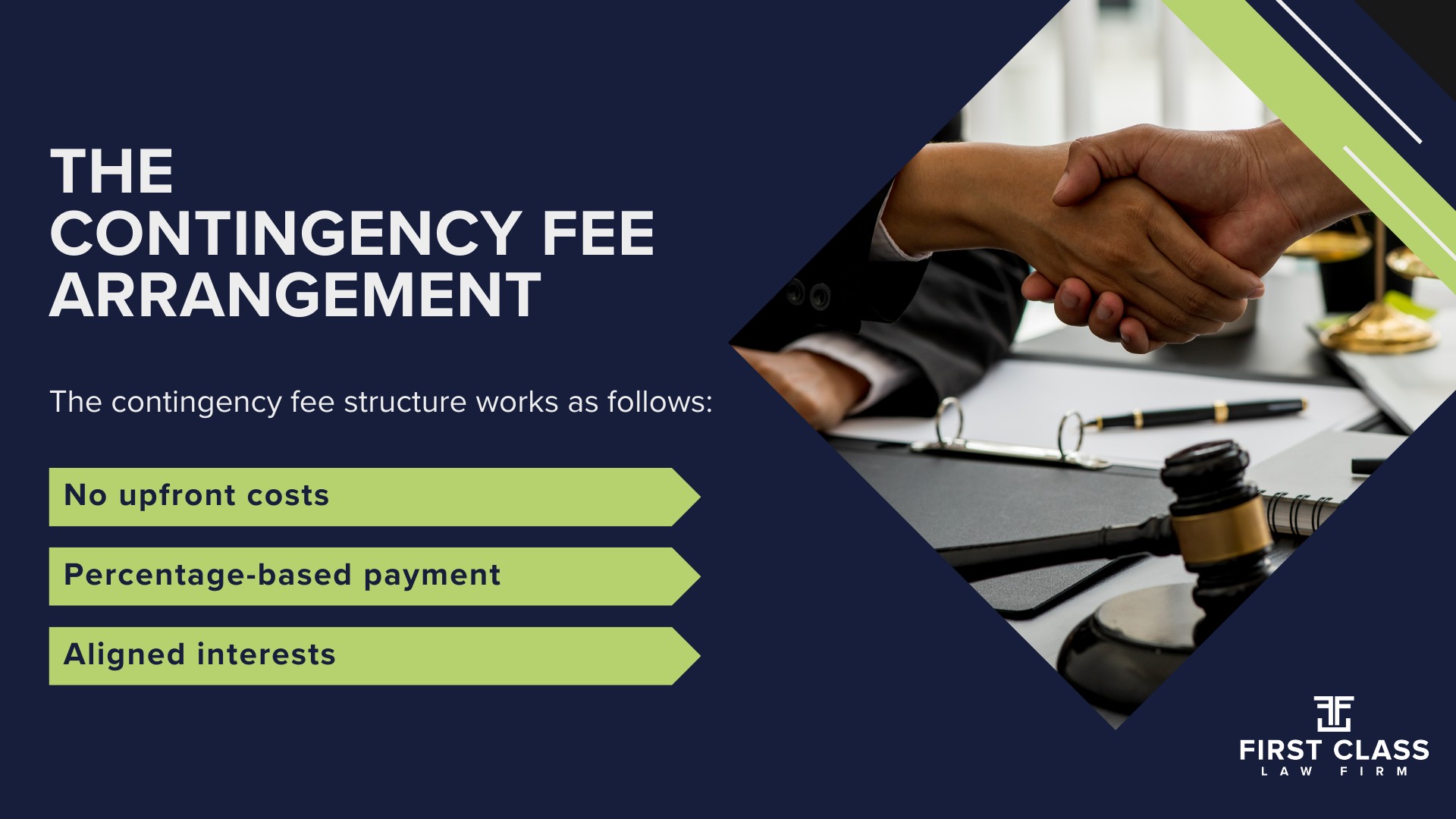
The contingency fee structure works as follows:
This fee structure aligns the attorney’s financial interests with the client’s goals, ensuring your lawyer works diligently to secure you maximum compensation because their payment depends directly on your case’s success.
The practical implications of contingency fee arrangements provide peace of mind for injured clients who need legal representation but cannot afford hourly billing rates that can easily exceed several hundred dollars per hour.
This model ensures justice remains accessible.
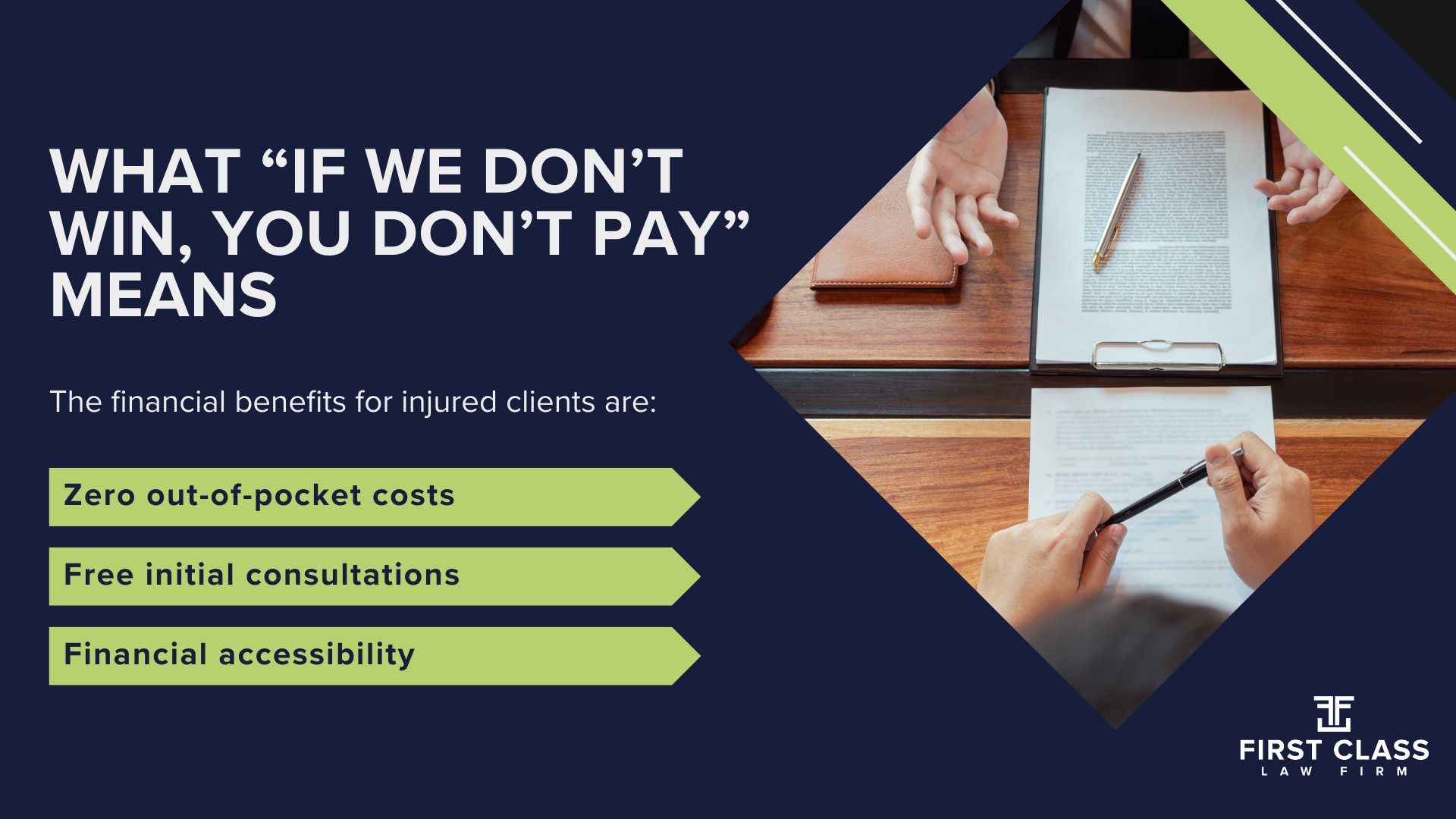
The financial benefits for injured clients are:
State Bar resources help consumers understand their rights regarding attorney fee arrangements and ensure transparency in legal billing practices.
First Class operates on this contingency fee model, removing financial concerns so injured victims can focus on physical recovery while Nathan Whittenburg handles the legal challenges of pursuing fair compensation.
Georgia uses a fault-based system for car accident claims, meaning the driver responsible for causing the crash bears financial liability for resulting injuries and property damage.
Fault is not always clear-cut in collision cases, as multiple parties may share responsibility through various degrees of negligence.
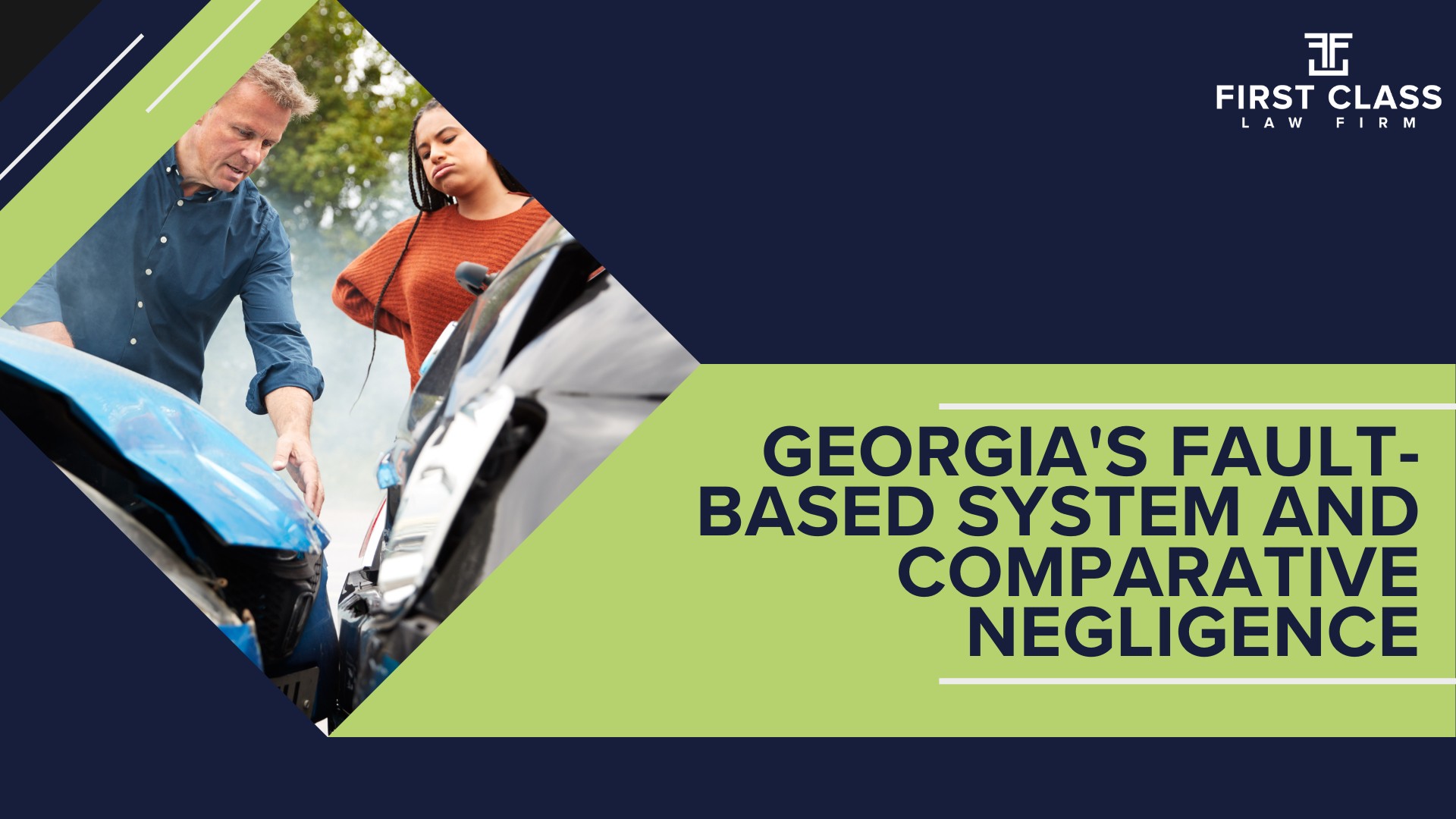
Georgia law addresses situations where both drivers contributed to causing the accident, establishing rules that determine when injured parties can recover compensation and how settlements are calculated.
Georgia operates under a fault-based insurance framework that distinguishes it from no-fault states where each driver’s insurance covers their own injuries regardless of who caused the collision.
In Georgia, liability determines which insurance company pays for damages.
Georgia’s fault-based framework operates through:
Georgia’s fault-based insurance system places financial responsibility on the party whose negligence caused the accident, creating incentive for drivers to maintain adequate liability coverage and drive safely.
Evidence gathering becomes particularly important in vehicle accident disputes where drivers present conflicting accounts of the collision or insurance companies attempt to shift blame to minimize their payout obligations.
Georgia follows a modified comparative negligence system that allows injured parties to recover compensation even when they bear partial responsibility for the accident, provided their fault percentage remains below the 50% threshold established by state law.
Georgia’s comparative fault rules function as follows:
The comparative negligence standard affects both settlement negotiations and trial outcomes, as insurance companies attempt to attribute higher fault percentages to injured victims to reduce payouts.
Nathan Whittenburg gathers evidence that accurately establishes fault and minimizes comparative negligence attributed to injured clients, protecting their right to full and fair compensation.
Car accidents occur with alarming frequency throughout the Atlanta metropolitan area, creating daily risks for commuters and families.
NHTSA estimates that 40,901 people died in motor vehicle traffic crashes nationally in 2023, with Georgia experiencing 1,615 motor vehicle traffic fatalities in 2023, resulting in 1.28 traffic fatalities for every 100 million vehicle miles traveled.
These statistics illustrate why injured victims need experienced legal representation to pursue fair compensation.
The scope of motor vehicle accident data in Atlanta reflects the dangers created by congested highways, busy intersections, and high traffic volumes throughout the metropolitan area.
Every year, thousands of collisions result in injuries requiring emergency medical treatment and long-term rehabilitation.
Recent Atlanta crash data reveals:
Traffic fatalities in the Atlanta region increased by 5%, from 499 in 2019 to 523 in 2023, across the eleven counties comprising the metropolitan area.
These statistics mean that Atlanta drivers face daily exposure to collision risks that can result in life-changing injuries and financial hardship when negligent drivers cause preventable accidents.
Specific driver behaviors and road conditions contribute disproportionately to car accidents in the Atlanta area, with distracted driving emerging as the single most prevalent factor in collisions across Georgia.
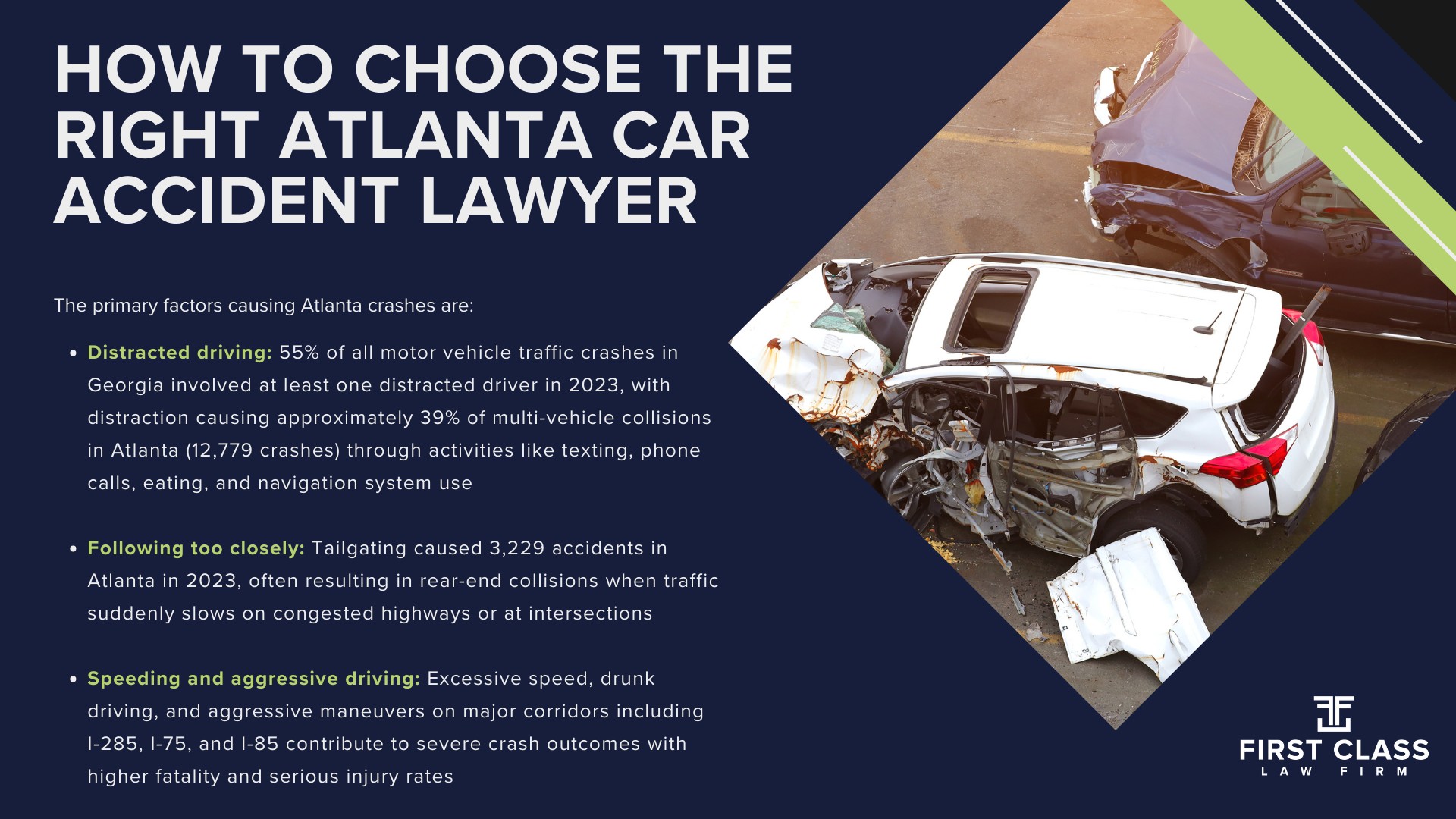
The primary factors causing Atlanta crashes are:
These statistics demonstrate that preventable driver negligence causes the majority of Atlanta car accidents, supporting legal claims injured victims pursue against at-fault drivers and their insurers.
When negligent driving causes your injuries, experienced legal representation becomes invaluable.
Selecting an attorney is a personal decision that affects both the outcome of your claim and your experience throughout the legal process.
The right legal representation provides professional competence plus the communication, accessibility, and personalized attention injured victims need.
The State Bar of Georgia provides resources to help individuals find qualified legal representation meeting their specific needs.
The most important qualities to evaluate when selecting car accident representation extend beyond credentials and experience to include factors that determine the actual client experience and attorney-client relationship.
These qualities directly impact how your case is handled and whether you receive the attention your claim deserves.
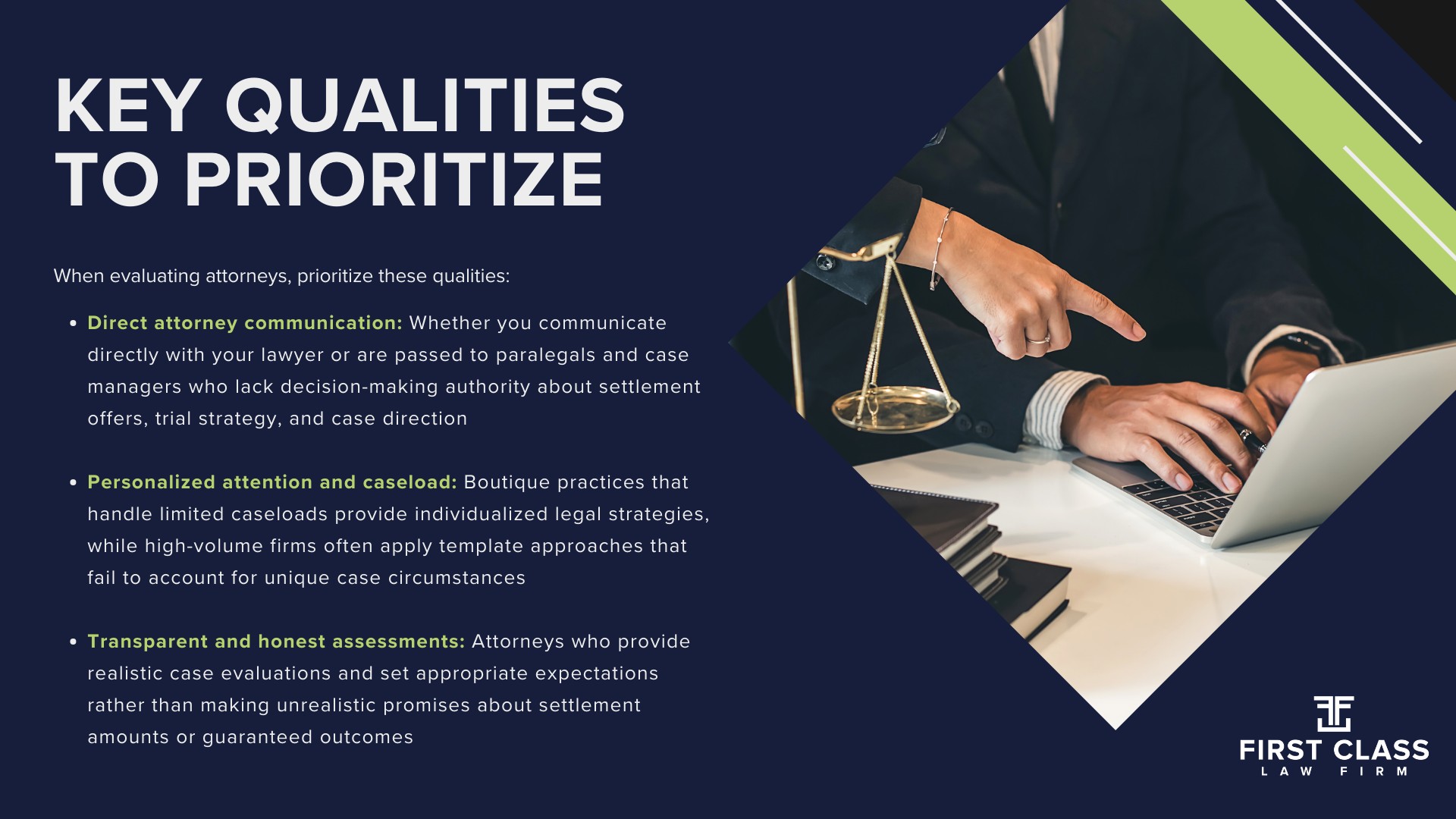
When evaluating attorneys, prioritize these qualities:
The State Bar provides guidance on choosing attorneys who meet specific needs and practice areas.
These qualities matter for claim outcomes because insurance companies recognize which attorneys have the time and resources to thoroughly prepare cases for trial, creating leverage in settlement negotiations that benefits injured clients.
First Class — The Atlanta Personal Injury Law Firm takes a distinctive approach to personal injury representation that prioritizes individual client relationships over high-volume case processing.
This client-centered philosophy shapes every aspect of how Nathan Whittenburg practices law.
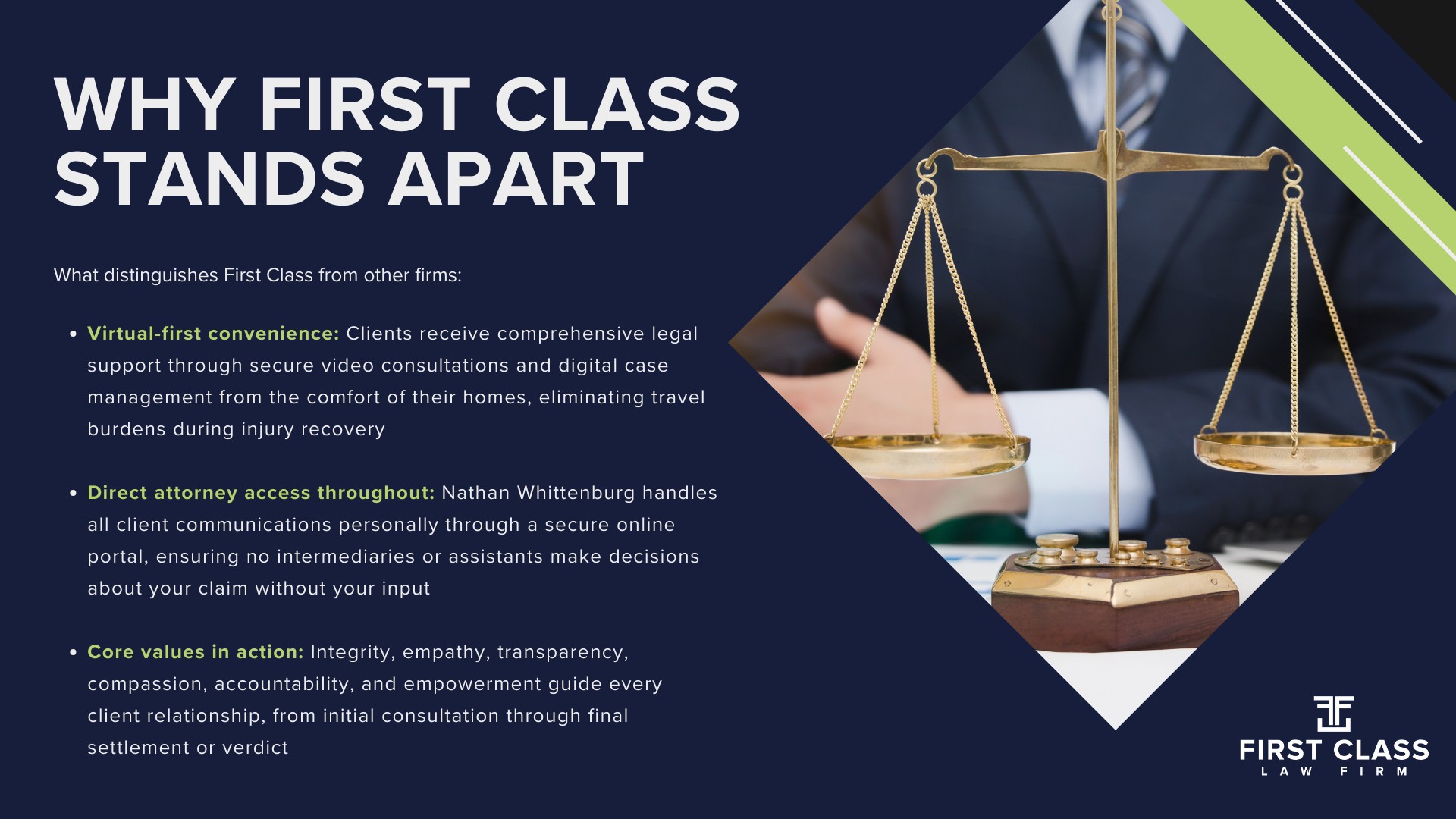
What distinguishes First Class from other firms:
Attorney credentials and bar standing can be verified through the State Bar of Georgia Member Directory to confirm proper licensure and ethical compliance.
First Class offers the personalized attention, direct communication, and client-centered approach that injured accident victims deserve when pursuing fair compensation for their injuries and losses.
If you’ve been injured in a car accident in Atlanta, contact First Class using the chat on this page to receive an instant case evaluation and learn how Nathan Whittenburg can help you pursue the compensation you deserve.
Car accident cases are being filed by injured victims across the Atlanta area who deserve fair compensation for injuries caused by negligent drivers.
The Atlanta Personal Injury Law Firm is currently accepting clients for car accident cases.
Here’s what makes Nathan Whittenburg and First Class the right choice for your Atlanta car accident case:
If you or a loved one suffered injuries in an Atlanta car accident caused by a negligent driver, you may be eligible to seek compensation.
Contact the Atlanta Personal Injury Law Firm today to receive a free case evaluation and determine if you qualify to pursue a car accident claim.